Both tools can keep a home out of probate and beyond the reach of long-term care costs, and both start the same five-year clock. What separates them is how much control you keep afterward.
One trust keeps you in control. The other gives control up in exchange for protection you cannot get any other way. Knowing which problem you are solving makes the choice much clearer.
A trustee manages the assets, but who watches the trustee? A trust protector holds a narrow set of reserved powers that can keep a long-term trust working the way it was meant to, years after it is signed.
Blended families often want to provide for a spouse and still protect what children from an earlier marriage receive. A QTIP trust can do both, and Massachusetts estate tax rules give couples here an added reason to look at one.
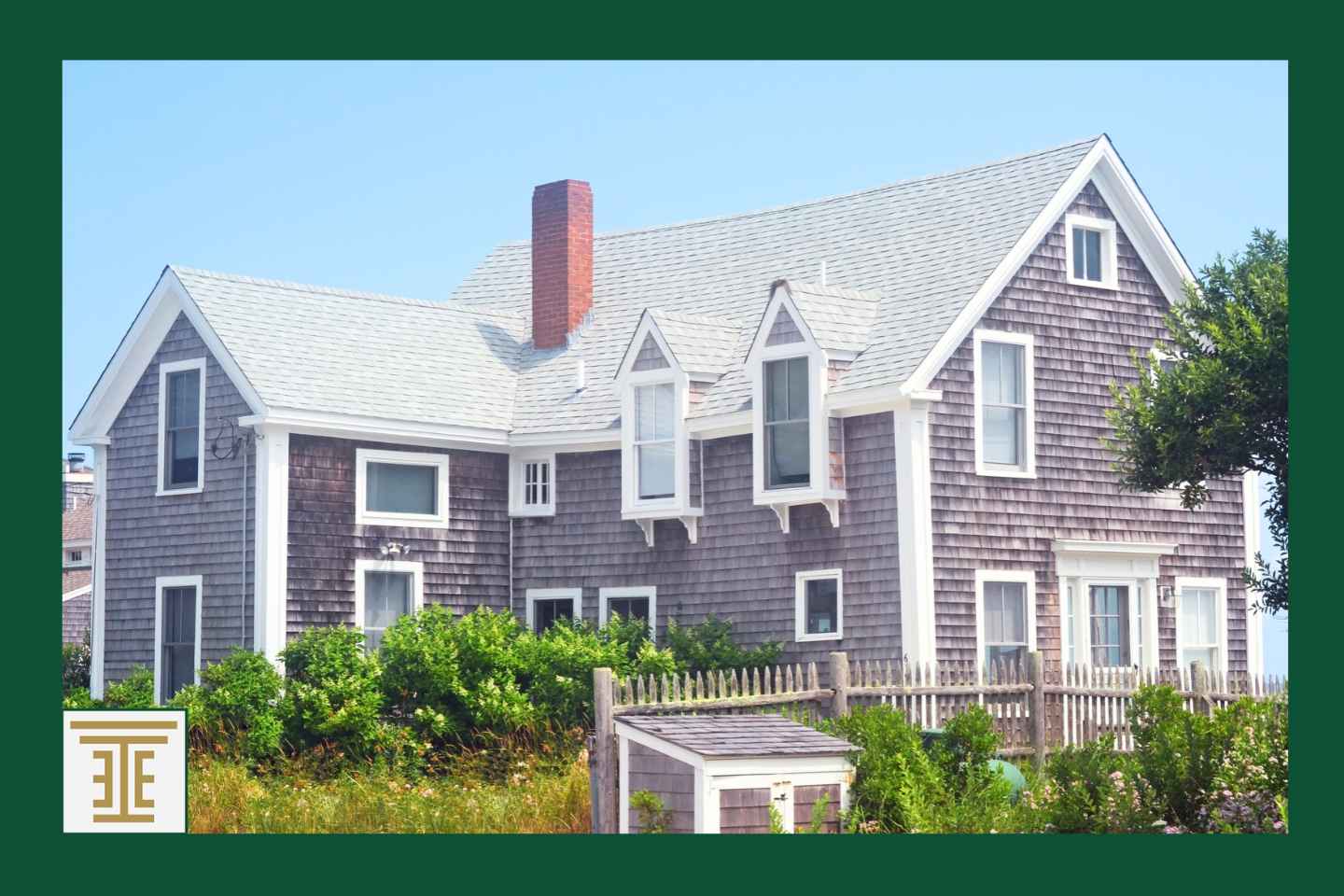
Putting your Cape Cod home in a trust may help simplify how your property is managed and transferred, but it is not a one-size-fits-all solution. Understanding what a trust can—and cannot—do is an important step in creating an estate plan that reflects your family’s goals.